
Administrative Staff: A Day in the Life
Quick Answer
What does administrative staff actually do all day? Explore the daily routine of an administrative assistant, from managing calendars and communications to event planning and problem-solving.
Table of Contents
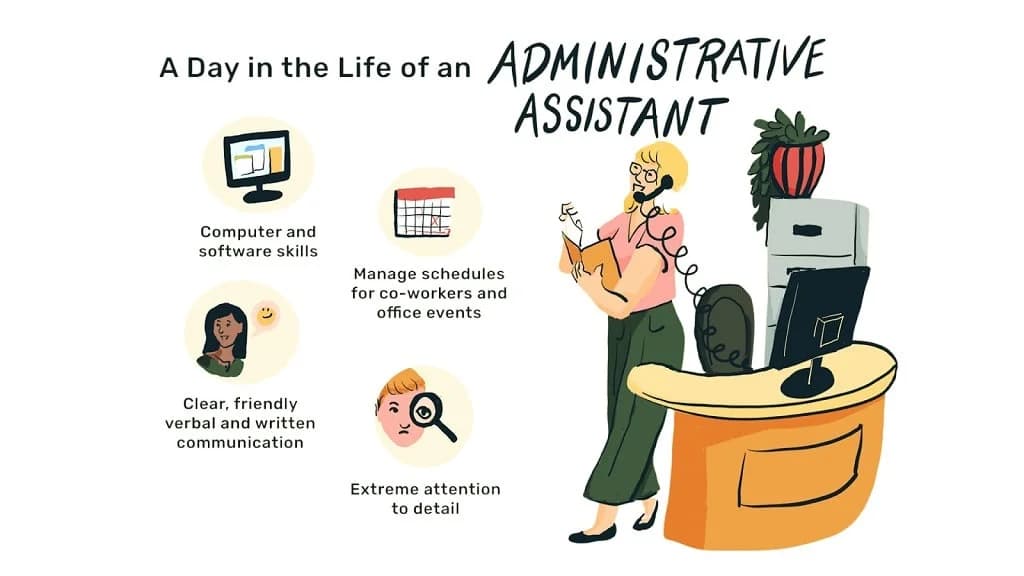
Administrative assistants are the backbone of any organization, ensuring that daily operations run smoothly and efficiently. Their role is a perfect blend of multitasking, problem-solving, and organization. From managing schedules to keeping everything running behind the scenes, their work is crucial in maintaining workplace productivity. But what does a typical day in their life look like? Let’s dive into the daily routine of an administrative assistant.
Morning Routine: Preparing for the Day
The day often starts before everyone else arrives at the office. Administrative assistants take time to get organized, checking emails, prioritizing tasks, and preparing the office space for a productive day. They review schedules, anticipate potential conflicts, and ensure everything is set up for upcoming meetings and appointments.
Managing Communications
One of the primary responsibilities of an administrative assistant is handling internal and external communications. This includes:
- Responding to and organizing emails
- Answering phone calls and directing them to the appropriate department
- Greeting visitors and ensuring they receive the necessary assistance
They act as the first point of contact for both clients and team members, making strong communication skills essential.
Scheduling and Calendar Management
Administrative assistants are masters of time management, ensuring executives and team members stay on track with their meetings and deadlines. They handle:
- Scheduling meetings and appointments
- Coordinating conference room availability
- Rescheduling or adjusting calendars as needed
They also prepare meeting materials, send reminders, and ensure everyone involved is informed of the agenda.
Documentation and Record-Keeping
Maintaining records is a critical part of the job. Administrative assistants manage various types of documentation, including:
- Data entry and database management
- Filing and organizing digital and physical records
- Preparing reports and presentations
Accuracy and attention to detail are crucial to ensure that all company records remain up-to-date and easily accessible.
Event Planning and Coordination
From small office celebrations to large corporate events, administrative assistants play a key role in planning and executing company gatherings. Their responsibilities include:
- Booking venues and catering services
- Coordinating with vendors and event organizers
- Handling travel arrangements for team members attending events
They ensure that every detail is taken care of, so events run smoothly.
Financial Responsibilities
Some administrative assistants handle basic financial tasks, including:
- Processing invoices and expense reports
- Managing office budgets
- Tracking and reporting expenditures
These tasks help keep office operations financially sound and within budget.
Problem-Solving and Adaptability
One of the most important traits of an administrative assistant is their ability to adapt to changing priorities. Unexpected challenges arise throughout the day, such as:
- Last-minute schedule changes
- Urgent requests from executives
- Technical difficulties with office equipment
Administrative assistants must think quickly and find solutions that keep everything running smoothly.
Collaboration and Professional Development
Beyond their core responsibilities, administrative assistants work closely with multiple departments, often serving as the central hub of communication. They also seek continuous professional development by:
- Learning new office software and tools
- Attending professional development workshops
- Improving leadership and communication skills
This ongoing growth ensures they remain valuable assets to their teams.
Conclusion
The role of an administrative assistant is anything but monotonous. Each day presents new challenges and opportunities to support the success of an organization. Whether handling communication, managing schedules, or troubleshooting office issues, administrative assistants play an essential role in keeping businesses running efficiently. Their ability to juggle multiple tasks with professionalism and efficiency makes them invaluable team members.
You might also like
What Do Executive Assistants Do?
A full breakdown of the EA role, responsibilities, and what sets them apart.
Executive Assistant vs Administrative Assistant
Key differences in roles, responsibilities, and salary expectations.
What Qualities Should an Executive Assistant Have?
The skills and traits that define a high-performing EA.
Administrative Assistant (VA) Salaries: A Comprehensive Guide
Salary ranges, factors that affect pay, and what to expect at each level.
The Evolving Role of Admin Assistants in the Digital Age
How the admin assistant role has changed and where it is heading.
Latest Virtual Assistant Jobs
Fresh remote VA roles — apply directly