
Burke Dentistry: How to Choose the Right Cosmetic Dentist Practice
Quick Answer
Learn how to choose a Burke dentistry practice by checking credentials, comparing treatment plans, and knowing when to seek a second opinion before booking.
Table of Contents
- 1.1. Define What You Need From a Burke Dentistry Visit
- 2.2. Check Credentials Before Booking Cosmetic Dental Treatment
- 3.3. Compare Burke Dentistry Treatment Plans Beyond the Advertised Price
- 4.4. Use Your Dental Consultation to Make a Confident Final Choice
- 5.Burke Dentistry Research: U.S. Consumer Context
- 6.The Biggest Cosmetic Dentistry Mistake: Comparing Procedures Instead of Diagnoses
- 7.Frequently Asked Questions
Do not choose a burke dentistry practice because its before-and-after gallery looks polished or because a new-patient special sounds inexpensive. In 2024, 94.69% of the U.S. population used the internet, according to the World Bank, but being easy to find online is not evidence of clinical quality.
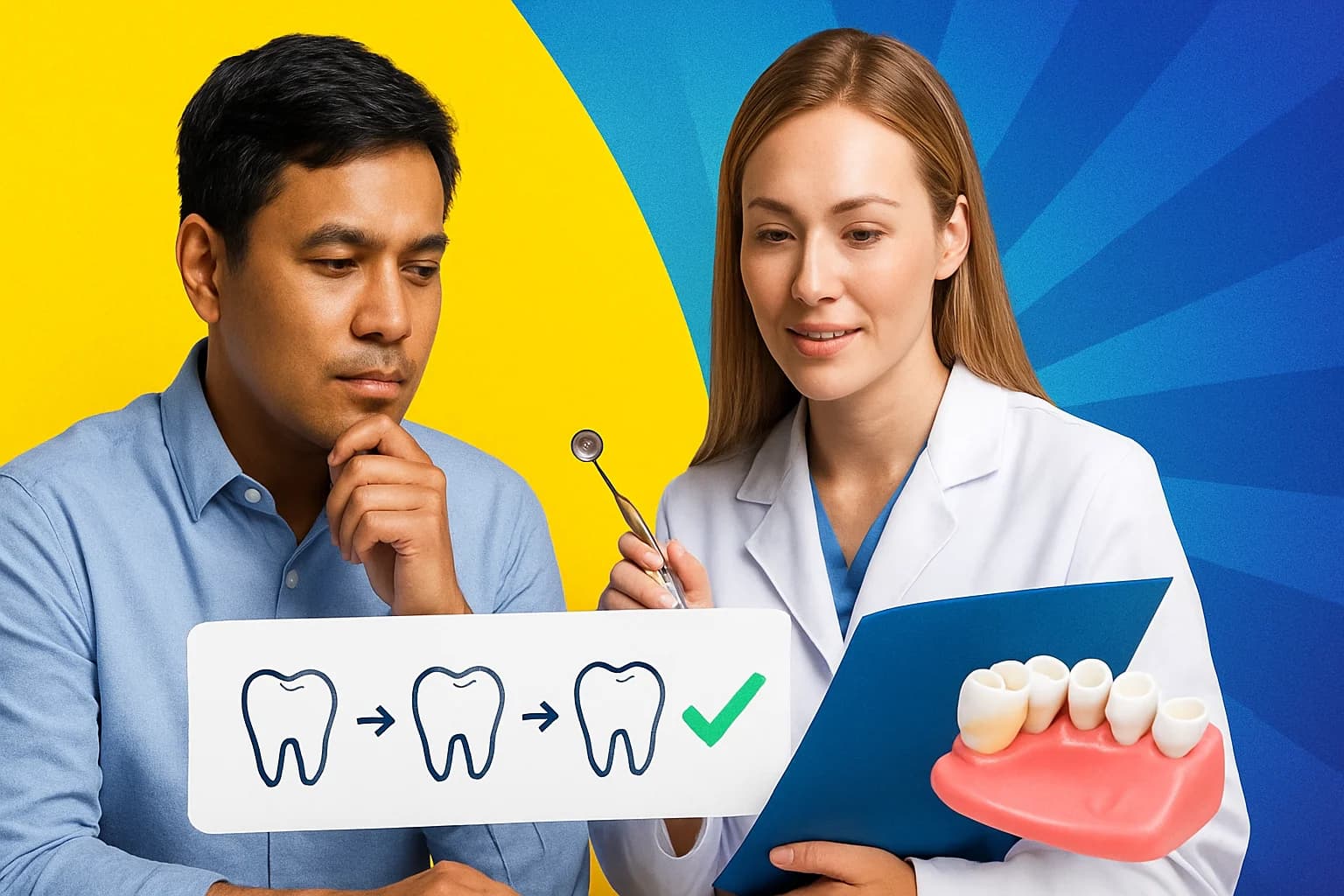
The best way to choose a Burke dentistry practice is to define the treatment you need, verify relevant training and licensure, compare written treatment plans instead of headline prices, and use the consultation to evaluate communication, comfort, timeline, and follow-up care. Cosmetic dentistry is not one standardized service, so compare like-for-like plans before deciding.
Table of Contents
- 1. Define What You Need From a Burke Dentistry Visit
- 2. Check Credentials Before Booking Cosmetic Dental Treatment
- 3. Compare Burke Dentistry Treatment Plans Beyond the Advertised Price
- 4. Use Your Dental Consultation to Make a Confident Final Choice
- Burke Dentistry Research: U.S. Consumer Context
1. Define What You Need From a Burke Dentistry Visit
Start by naming the problem, not the treatment you saw on social media. Dental needs generally fall into four categories: urgent care, preventive care, restorative treatment, and elective cosmetic goals. A toothache, swelling, broken filling, or knocked-out tooth needs prompt clinical attention. Cleanings, exams, and routine X-rays are preventive. Crowns, fillings, root canal treatment, bridges, and tooth replacement are restorative. Whitening, contouring, bonding, and veneers are usually cosmetic decisions, although some plans overlap.
Concrete details make the first call more useful. A chipped front tooth might be handled with bonding, but the dentist should first determine whether the chip came from an accident, a deep bite, or nighttime grinding. A discolored smile may respond well to whitening if the discoloration is external or mild. Veneers may be discussed when tooth shape, color, and surface defects need more comprehensive change. Missing teeth call for an implant evaluation, bridge discussion, or removable replacement options, not a generic cosmetic consultation.
Before contacting an office, write down your symptoms, the result you want, your budget range, and any deadline such as a wedding, graduation, or work trip. Note dental anxiety, sensitivity to numbing medication, and whether you have current X-rays. This saves time and helps the office schedule the right type of visit. Most people get this wrong by asking for veneers when the actual issue is bite damage. In that case, the right first appointment may be a diagnostic exam focused on protecting the teeth, not choosing a shade.
2. Check Credentials Before Booking Cosmetic Dental Treatment
Once you know what you want evaluated, vet the provider. Confirm that the dentist holds an active Virginia dental license. Then review education, professional background, and continuing education that relates to the procedure under discussion. A general dentist may offer many cosmetic services competently, and not every cosmetic case requires a specialist. Still, complex concerns involving implants, severe gum problems, root canal treatment, major bite changes, or extensive reconstruction may require collaboration with an outside specialist.
Look beyond a practice biography. Ask who will perform each part of the treatment: the dentist, hygienist, dental assistant, in-house laboratory team, or an outside laboratory. For example, the dentist should be able to explain who designs final restorations, who places them, and whether a periodontist, orthodontist, or oral surgeon might be involved. Clear answers are a good sign. Vague claims about “smile makeovers” are not enough.
A useful consultation checklist includes:
- How many cases similar to mine has the dentist handled?
- What diagnosis supports this recommendation?
- What alternatives could meet my goal, including more conservative options?
- What can go wrong, and how would the office handle adjustments or complications?
- How many visits are expected, and what follow-up care is included?
- Will another provider need to participate in treatment?
A polished Instagram page can show attractive outcomes, but it cannot show whether the diagnosis was appropriate, whether the bite was stable, or how concerns were handled after treatment. Use photos as a conversation starter, not as proof that a provider is the right fit for your mouth.

3. Compare Burke Dentistry Treatment Plans Beyond the Advertised Price
When you receive two or three treatment plans, compare them line by line. Do not compare a single per-tooth number with a total case fee and assume they describe the same service. A complete written plan should identify the diagnosis, recommended procedure, materials, imaging, laboratory fees, temporary restorations, sedation if applicable, number of visits, and expected maintenance. It should also show insurance estimates separately from your responsibility, because an estimate is not a guarantee of payment.
Consider a realistic veneer example. One office advertises a lower price per veneer, but its quote excludes diagnostic imaging, temporary restorations, laboratory work, and a post-placement adjustment visit. Another office has a higher stated price, but includes those items and specifies the restoration material and follow-up. The first number may look like the bargain, yet the second plan may be easier to evaluate and may cost less once every necessary component is counted.
Also ask about financing terms, revision policies, and long-term upkeep. Are repairs, re-cementation, or shade adjustments included for a defined period? What happens if you grind your teeth and need a night guard? How often should restorations be reviewed? Scope matters more than promotional language. A higher price does not automatically mean better care, but a low price without a clear scope is hard to assess responsibly.
For broad national context only, the U.S. unemployment rate was 4.2% in 2025, according to the World Bank. That figure does not indicate Burke dental prices, insurance coverage, or what any individual patient can afford. Your decision should rest on your written estimate, insurance details, and the clinical reasoning behind the plan.
4. Use Your Dental Consultation to Make a Confident Final Choice
A dental consultation should feel like a decision process, not a sales appointment. Notice whether the dentist examines the underlying issue before recommending a cosmetic fix. A careful visit may include a review of your health history, bite, gums, existing restorations, X-rays, and photographs. The dentist should explain options in plain language, including what each option can and cannot realistically change.
Listen for an honest discussion of risks and limitations. Whitening may not change the color of crowns. Bonding can chip or stain over time. Veneers and crowns may require alteration of natural tooth structure. Implant treatment takes time and depends on bone, gum health, healing, and planning. No office can responsibly promise that every outcome will be maintenance-free forever.
Use a simple rule: pause and seek a second opinion when treatment is irreversible, expensive, unclear, or presented with pressure to book immediately. A thoughtful provider will not object to reasonable questions or a request for records. For instance, a patient who wants a brighter, more even smile might try whitening and small areas of bonding before committing to veneers. That conservative sequence can clarify whether the larger procedure is truly necessary for the desired result.
Before booking, confirm the total out-of-pocket estimate, expected treatment timeline, cancellation policy, aftercare contact process, and how records can be transferred if you want another opinion. Keep copies of treatment plans, imaging summaries, and payment information. These basics make it far easier to compare providers fairly.

Burke Dentistry Research: U.S. Consumer Context
National figures can explain why patients do so much research online, but they are not Burke dental pricing or quality metrics. Internet use reached 94.69% of the U.S. population in 2024, GDP per capita was $90,026.52 in 2025, and the labor force totaled 174,833,917 in 2025, according to the World Bank. These indicators reinforce a practical point: verify local clinical information, insurance details, and written fees directly rather than inferring quality or affordability from national data.
Source: World Bank Open Data
The Biggest Cosmetic Dentistry Mistake: Comparing Procedures Instead of Diagnoses
The mistake many patients make is shopping for a procedure name before confirming the diagnosis. A short, uneven, or dark tooth can look like a straightforward veneer case, but the visible issue may come from enamel wear, grinding, decay, gum recession, an old restoration, or simple staining. Those causes can lead to very different treatment conversations.
For example, a tooth that looks shorter than the teeth around it may have worn down because of clenching. Covering it cosmetically without considering the bite may leave the new work exposed to the same force. A dark tooth may need an assessment of its nerve health or an old filling before any surface cosmetic plan is chosen. Gum recession can alter the apparent length and symmetry of teeth, which means tooth-only treatment may not address the real concern.
This is not a reason to assume the worst. It is a reason to ask one practical question: “What is causing the appearance I want to change?” A responsible plan identifies the likely cause first, explains options, and sets expectations for maintenance. For irreversible treatment, a second opinion is a sensible way to compare diagnostic reasoning, not an accusation that the first dentist is wrong.
Frequently Asked Questions
How do I choose a Burke dentistry office for cosmetic work?
Define the outcome you want and list any symptoms before searching. Verify active licensure and experience with the exact procedure, then compare written plans for inclusions, risks, timeline, and aftercare rather than choosing based on promotional pricing.
Should I get a second opinion before veneers or other cosmetic dentistry?
Yes, particularly when treatment is irreversible, costly, or unclear. Bring available X-rays, photos, and the first written plan, then ask the second provider to explain conservative alternatives and the reason for the recommendation.
What should I ask at a Burke dentistry consultation?
Ask what diagnosis supports the recommendation, what alternatives exist, who performs each part of treatment, how many visits are needed, and what the full estimate includes. Also ask about risks, maintenance, and how adjustments or repairs are handled.
Does a lower cosmetic dentistry quote mean it is the better option?
No. A lower quote may exclude imaging, laboratory work, temporary restorations, or follow-up visits. Compare the complete written scope and materials used, while remembering that a higher price also does not guarantee better care without clear clinical reasoning and documentation.
You might also like
More guides on Dental Virtual Assistants.
Lake Barcroft Dental Group: How to Verify the Right Office Safely
Learn how to verify Lake Barcroft Dental Group before booking, sharing records, paying, or accepting an offer using provider, contact, insurance, and policy checks.
LWSS Dental Guide: Book Care, Understand Costs, and Prepare Well
Use this LWSS Dental guide to choose a location, prepare insurance details, book the right visit, review estimates, and plan follow-up with confidence today.
LWSS Orthodontics Consultation Checklist: Costs, Visits, and Retainers
Prepare for an LWSS Orthodontics consultation with questions about treatment options, timelines, costs, financing, appointments, and retainer care.
Louisa Dental: How to Choose, Book, and Prepare for Your Visit
Learn how to choose Louisa Dental with confidence by checking services, insurance, costs, appointment timing, visit preparation, and urgent-care warning signs.
Latest Virtual Assistant Jobs
Fresh remote VA roles — apply directly
Social Media Manager at Cengage Group - Remote
Manage and Scale Paid Media Campaigns as a Senior Paid Media Buyer - Remote
Performance & Brand Video Editor at Multiplymii - Remote
Create Engaging Social Content as a Short-Form Video Editor at Multiplymii - Remote