
Pros and Cons of Hiring a Virtual Assistant
A data-backed breakdown for companies, virtual assistants, and the wider economy, with references to the latest industry research. Working from home is here to stay and easier than ever!
Pros & Cons for the Company
Pros for Companies
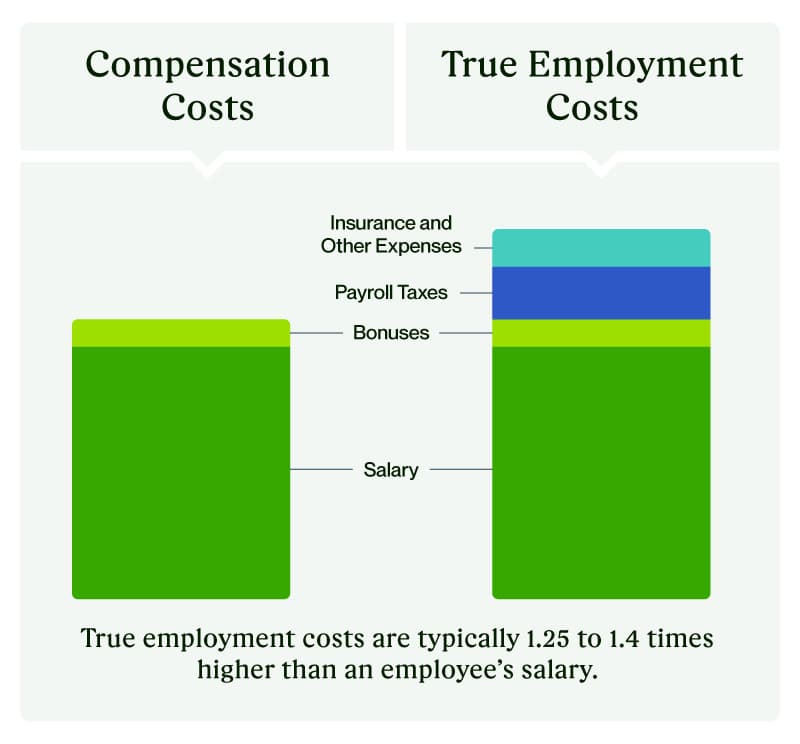
1. Lower fixed staffing costs
Hiring VAs lets companies add support without the full cost structure of local full-time hires - especially for admin, inbox management, scheduling, research, and coordination.
Upwork - Cost of Freelancer vs In-House Employee2. Flexible scaling
The VA model lets companies scale support up or down faster than traditional employment. Operational freelance categories held up well even when broader growth-oriented hiring softened.
Aristo Sourcing - The Value of Hiring Virtual Assistants for SMBs3. Strong SMB adoption
Small and midsize businesses lean especially hard on VAs. Demand for virtual admin assistant skills is rising faster among SMBs than the overall market.
4. Access to global talent
Remote work has stabilised at meaningful levels globally, giving companies a much larger pool of candidates who can work remotely and asynchronously.
5. Better founder leverage
VAs remove low-leverage work from the principal's plate - calendar, travel, follow-ups, inbox triage, document prep, and basic reporting - improving execution speed without expanding payroll.
Founder and Force Multiplier - How Founders and Leaders Buy Time6. Faster hiring than traditional admin recruiting
Companies can test a VA relationship through short engagements before committing to longer-term work, lowering hiring risk compared with a full-time administrative hire.
Upwork - How to Hire Faster7. Time-zone coverage as a strength
The Middle East has become a key region for virtual assistant services because the time zone difference allows for extended coverage. However, Filipinos are very flexible and are willing to work across different time zones. A distributed VA setup creates longer service windows for inbox coverage, customer follow-up, order processing, and executive support. This is especially valuable for ecommerce and service businesses.
Arab News: Filipinos turn to Virtual Assistant(VA) roles in post-COVID job market8. AI can make good VAs more productive
A strong VA using AI tools can produce more output per hour than an old-school admin workflow, creating more value per dollar spent.
9. Large replacement demand keeps the market healthy
Even where admin growth is flat, high turnover creates steady hiring demand. The function remains economically necessary even as the job shape changes.
10. Enhancing efficiency and flexibility
According to a report from Global Workplace Analytics, 79% of companies that employed remote workers saw an increase in productivity, highlighting the efficiency benefits of hiring virtual assistants.
11. Costs can be reduced
Companies can save on overhead costs such as office space, utilities, and equipment when hiring virtual assistants, as they work remotely and often use their own resources. This can lead to significant cost savings for businesses.
12. More job applicants
A global talent pool means more applicants to choose from, increasing the chances of finding a highly skilled and compatible virtual assistant for the company's needs.
13. Better job applicants
A global talent pool means more that more skilled and experienced virtual assistants are available, increasing the chances of finding a highly skilled and compatible virtual assistant for the company's needs.
14. Better employee retention
If your staff is happy, then that means longer employment. Retention of staff can increase by 10% to 20% when you hire a virtual assistant, according to a report by the Society for Human Resource Management (SHRM).
15. Reduced absenteeism
Some of the most impactful findings showing sick leave dropping from 35 days to 10 days after surgery. That is about a 71% reduction while other studies report workers taking fewer sick days overall (around 27% less) and being significantly less likely to stop working entirely during illness (about 32% lower).
16. Increased Diversity & Inclusivity
Flexibility helps create a more diverse and inclusive workplace by attracting a wider range of candidates, including those with family or health constraints, supporting employees with disabilities who may struggle with rigid schedules, and enabling staff to pursue further education, which can broaden representation in underrepresented roles.
17. Increased Innovation & Creativity
Well rested employees that work from home = increased creativity
18. More Time for Employees to Upskill
Employees that work from home can use the additional time they saved from commuting to focus on professional development and skill enhancement.
Cons for Companies
Automation pressure on routine tasks
Admin roles are increasingly affected by AI and automation tools that let staff do more of their own admin work, potentially reducing the hours companies need to outsource.
Quality control is harder in remote support
The low barrier to entry creates a wide quality range - uneven communication, unclear SOP adherence, and variable initiative levels are common issues.
Upwork - December 2025 Hiring ReportNot all tasks outsource cleanly
High-context, highly confidential, or deeply embedded work does not transfer well to remote external support. Executive, legal, and medical support often need industry-specific experience.
U.S. Bureau of Labor StatisticsPros & Cons for the Virtual Assistant
Pros for Virtual Assistants
10. Real global demand
Operational freelance roles remain consistently in demand. This is not a fringe category - VA work is embedded in how lean teams run.
Upwork - December 2025 Hiring Report11. Remote-first work model
The VA industry exists because remote work is now a durable part of the labour market, not just a pandemic hangover. WFH has stabilised rather than disappearing.
WFH Research - Global 202512. Low barrier to entry
Compared with many digital careers, admin support has a lower formal education requirement, making it accessible to a wide range of candidates.
13. Clear path to specialisation
A VA can start as a generalist and move into higher-value niches like executive assistance, bookkeeping, project coordination, healthcare admin, or ecommerce operations.
14. Human skills still command premium rates
Communication, judgment, organisation, and professional tone still carry real value. This work is not just clicking buttons.
15. AI as an income multiplier
VAs who use AI for drafting, summaries, inbox categorisation, research prep, or admin automation can handle more accounts or move upmarket - increasing earning potential.
16. Burnout reduces
Virtual Assistants that work from home can spend their time on things that they want to do and save at least 3 to 4 hours a day in preparation and commute.
17. Virtual Assistants (VAs) can sleep more
More free time = faster and better recovery time
18. Virtual Assistants are happier
Many VAs tend to be happier working from home surrounded by their loved ones.
19. Better work life balance
An opportunity to enjoy the beauties of life more.
20. Better for part timers
When full time work is reimagined as a full time work from home job, working other part time jobs becomes less of a disadvantage for career progression.
Cons for Virtual Assistants
Income instability
Freelance VA work often comes with fluctuating demand, weak bargaining power, unpredictable earnings, and unpaid time spent finding clients.
ILO/ITUC - Platform Economy ReportLack of benefits and protection
Independent VAs typically self-fund healthcare, sick leave, retirement, and downtime - one of the structural downsides of freelance-style digital labour.
ILO/ITUC - Platform Economy ReportRoutine tasks are being squeezed by automation
The more a VA's work is repetitive and rules-based, the more exposed it is to AI tools and workflow automation reducing billable hours.
U.S. Bureau of Labor StatisticsCommoditisation at the low end
It is easy for clients to compare VAs mainly on price. Commanding strong rates requires a niche, systems ability, domain knowledge, or exceptional reliability.
Upwork - December 2025 Hiring ReportIt is not for everyone
Based on conversations and surveys with VAs some do yearn for the office lifestyle and that office connection.
Pros & Cons for the Wider Economy
Pros for the Wider Economy
16. Expands job access across borders
The VA model lets people in one country support companies in another without migration, broadening labour-market access and creating exportable service income.
WFH Research - Global 202517. Supports the Philippines' digital economy
The Philippines remains a major global beneficiary of remote support and outsourcing trends, with the IT-BPM industry delivering record numbers.
18. Helps smaller businesses compete
VAs let small firms buy competence in pieces instead of building full departments, lowering the operating threshold for entrepreneurship.
Upwork - December 2025 Hiring Report19. Encourages digital upskilling
VA work drives adoption of CRMs, spreadsheets, help desks, scheduling systems, and AI copilots - building transferable digital skills across the workforce.
Reuters - Google AI Pilot Study20. Reduces commuting and office dependence
VA work is inherently remote-friendly, supporting lower commuting intensity and less office dependence - a benefit that WFH Research confirms is now a stable global trend.
WFH Research - Global 202521. Creates a bridge into formal digital careers
For many workers, VA work is a stepping stone into operations, customer success, project management, bookkeeping, recruiting, or ecommerce - growing the broader digital talent pipeline.
U.S. Bureau of Labor Statistics22. Reduced traffic congestion
Work from home as a Virtual Assistant(VA) means 20% less workplace traffic. Say goodbye to rush hour traffic.
23. Better for the environment
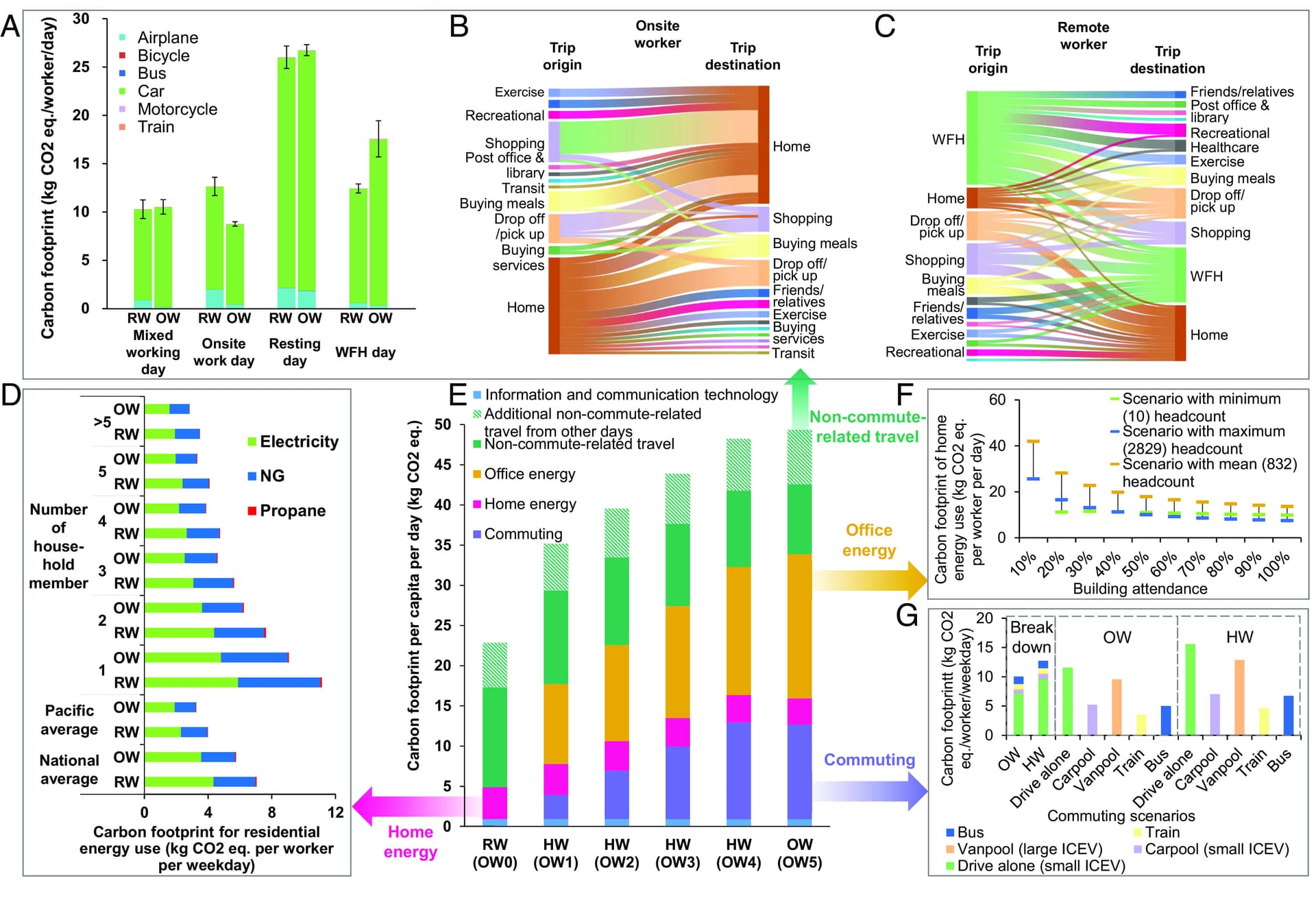
Less travel + office energy = lower CO2 emissions.
24. Reduced healthcare pressure
A healthier society means a lower burden to public services.
25. More time to volunteer
Society wins when people have more free time to give back to their communities.
26. Supports aging population
More time for family and personal care can help support an aging population.
27. Increased parental involvement
More time at home allows parents to be more involved in their children's lives.
28. Boost local economies outside of major cities
Remote work allows talent to live outside major urban centers, stimulating local economies and reducing regional disparities.
Cons for the Wider Economy
Expansion of precarious work
The same features that make VAs attractive to businesses - flexibility, contract-based work, low overhead - can shift risk from firms onto workers, increasing economic insecurity.
ILO/ITUC - Platform Economy ReportGeography still creates inequality
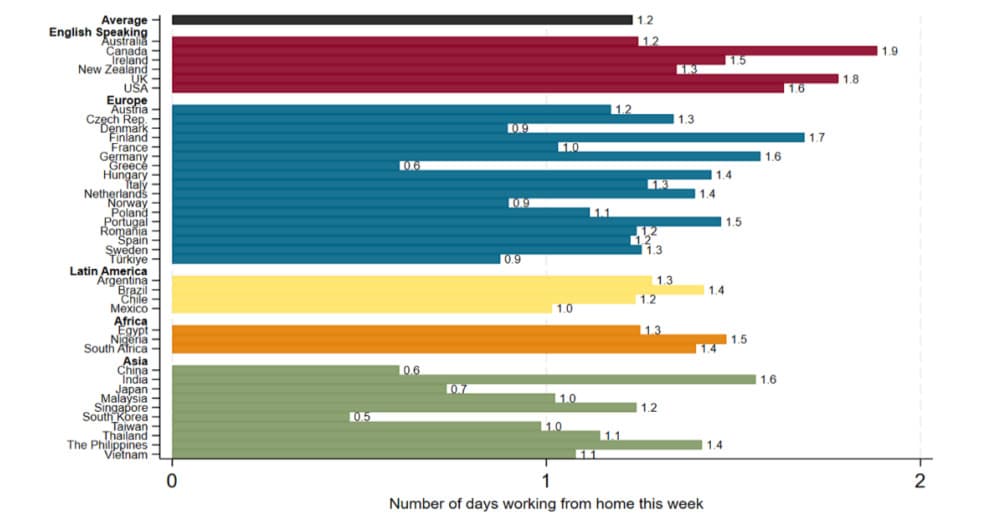
Remote work is more common in North America and Europe and less common in Asia, meaning opportunity is still shaped by infrastructure, sector mix, and employer attitudes.
WFH Research - Global 2025Still Not Conviced?
You are not alone. Many business owners hesitate because it feels like a big shift handing off tasks, working with remote teams, or hiring talent from another country. However, the reality is that The global workforce has already changed and companies that adapt are winning.
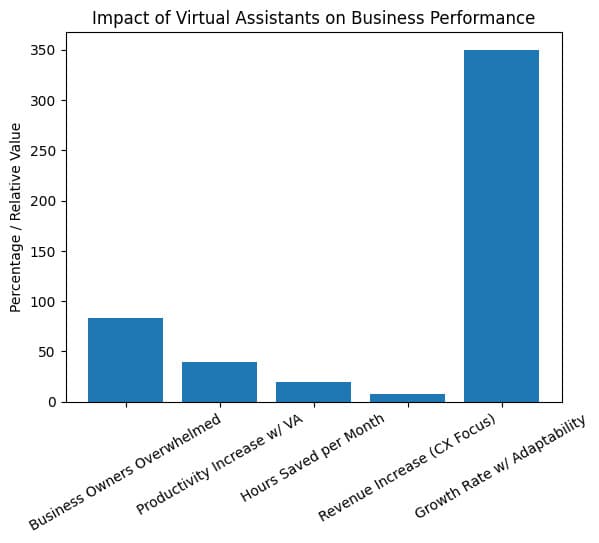
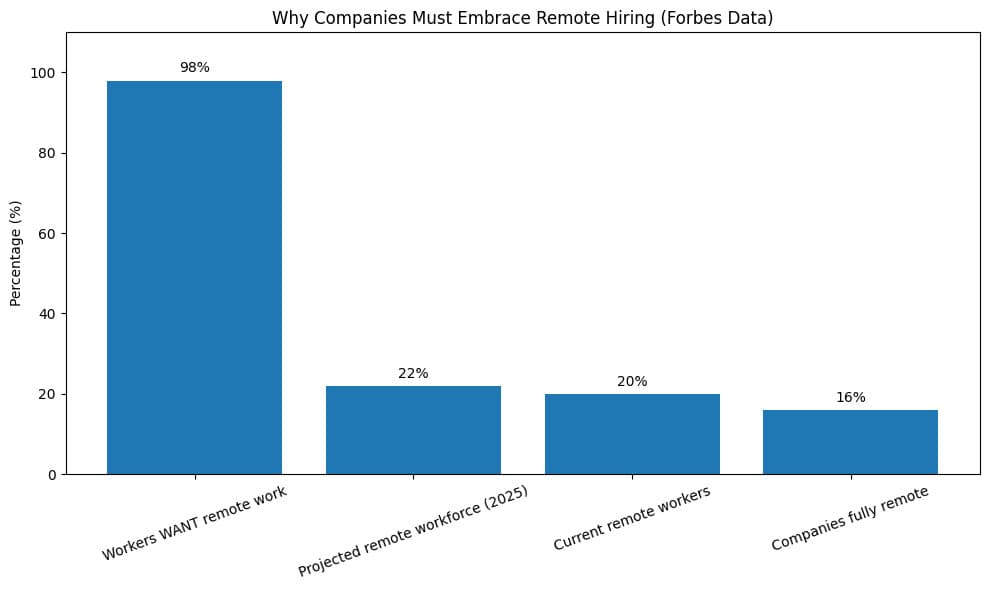
According to Forbes, remote work is no longer a trend but rather a new standard:
- 1 in 5 workers are already working remotely
- By 2025, 32.6 million Americans (22% of the workforce) will work remotely
- 98% of workers want remote work at least part of the time
- 16% of companies are already fully remote
The Bottom Line
The virtual assistant industry is strong and growing, but evolving quickly. Demand from SMBs and founders remains robust, the global remote workforce is stable, and the Philippines continues to be one of the top destinations for VA talent.
Tailwinds
- High demand from SMBs and founders
- Strong fit for the remote / global workforce
- AI as a productivity multiplier for skilled VAs
Headwinds
- Increasing automation pressure on routine tasks
- Commoditisation at the low end of the market
👉 The winners will be specialised, AI-augmented, and system-oriented VAs who move beyond generic admin work.
Related Guides
Dig deeper into the numbers and make a more informed decision.
Virtual Assistants vs. In-House Employees
A side-by-side cost and productivity comparison.
How Much Does a Virtual Assistant Cost?
Salary ranges and pricing breakdowns by role and experience level.
The Economic Case for Outsourcing
Why outsourcing to Filipino VAs is a win-win for businesses and talent alike.
Help spread the word about Virtual Assistants
Know a founder or business owner who could benefit? Share this page.